Upper trapezius pain can sneak up on you and make simple tasks uncomfortable. Often, neck and shoulder pain develops when the trapezius muscles become tight, overworked, or strained.
At Chandler Chiropractic, we take an integrated approach to these problems. Chiropractic adjustments, physical therapy exercises, and medical massage therapy can work together to address tight muscles, restricted joints, and poor movement patterns. As a result, patients can experience better mobility, improved posture, and lasting relief.
Understanding your trapezius muscle is an important first step. Once you know what causes the tension, you can take steps to reduce pain, prevent tension headaches, and stay more active. Learn more about the trapezius muscle.
 Understanding the Trapezius Muscle
The trapezius plays an important role in neck, shoulder, and upper-back movement. Therefore, when this muscle becomes tight or irritated, you may feel the effects throughout the upper body.
Anatomy and Function of the Trapezius
The trapezius is a large, triangular muscle that extends from the base of your skull into your mid-back. It helps move and stabilize your shoulder blades. In addition, it helps you lift, rotate, and retract your shoulders.
When the trapezius works properly, it supports smooth and efficient upper-body movement. However, tension or overuse can change how the muscle functions. Understanding its role can help you recognize problems earlier and improve your posture and daily habits.
Common Causes of Upper Trapezius Pain
Several everyday activities can create tension in the trapezius. For example, poor posture while sitting at a desk or looking at a phone can place added stress on the neck and shoulders.
Stress can also contribute to the problem. Many people unknowingly raise or tighten their shoulders when they feel stressed. In addition, repetitive movements, workouts, lifting, or carrying heavy objects can strain the muscle.
By identifying these causes, you can begin changing the habits that contribute to recurring pain and tension.
How Poor Posture Affects the Trapezius
Slouching and hunching forward can place additional stress on the trapezius. As your head moves forward, the muscles in your neck and upper back must work harder to support it.
Over time, this extra work can lead to muscle fatigue, stiffness, and discomfort. It may also contribute to neck pain and tension headaches.
Fortunately, improving posture can reduce some of this stress. Regular movement and better workstation ergonomics can also help prevent the problem from becoming chronic.
Integrated Chiropractic Solutions
At Chandler Chiropractic, we don’t focus only on the tight muscle. Instead, we look at why the trapezius became tight in the first place.
Spinal restrictions, poor posture, muscle imbalances, repetitive stress, and previous injuries can all contribute. Therefore, our approach may combine chiropractic adjustments, physical therapy, corrective exercises, and medical massage therapy based on what we find during your examination.
Chiropractic Adjustments for Relief
When joints in the neck and upper back become restricted or misaligned, surrounding muscles may have to work harder. As a result, the trapezius can become tight, irritated, and overworked.
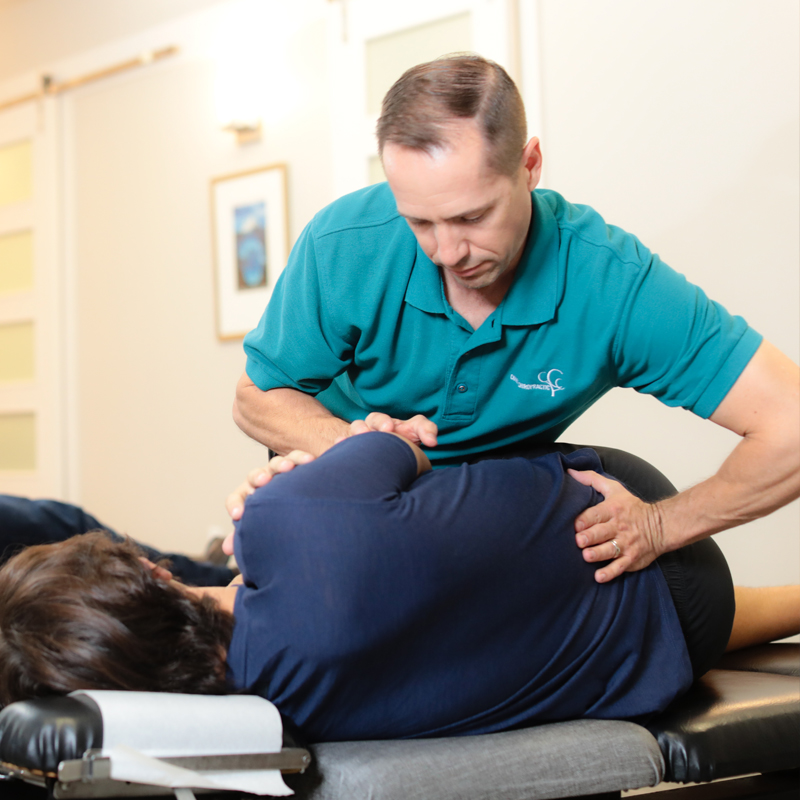
Chiropractic adjustments help restore proper movement and alignment to the spine. In turn, this can reduce unnecessary stress on surrounding muscles and nerves. Better spinal movement can also improve mobility and help the body function more efficiently.
Rather than simply relaxing a tight muscle temporarily, we want to address the underlying problem that keeps causing the tension.
Myofascial Release and Trigger Points
Trigger points are tight, sensitive areas within a muscle that can create local or referred discomfort. The upper trapezius is a common location for these points.
Myofascial release and medical massage therapy can help reduce this tension. These techniques focus on tight muscles and the surrounding connective tissues. As the area relaxes, patients may experience better movement and less discomfort.
When combined with chiropractic adjustments, soft-tissue work can address both joint restrictions and the muscular tension surrounding them.
 Physical Therapy Exercises for Stability
Once movement improves, strengthening the surrounding muscles becomes important.
Physical therapy exercises can improve stability and help correct muscle imbalances. In particular, exercises that strengthen the muscles around the shoulder blades can support better posture and movement.
Additionally, corrective exercises can help your body maintain the improvements gained through chiropractic adjustments and massage therapy. This combination can reduce recurring stress on the trapezius.
Lifestyle and Recovery Tips
What you do outside the office matters too. Fortunately, a few simple changes can reduce daily stress on your neck and shoulders.
Improve Your Desk Posture
If you spend hours working at a computer, your workstation can have a major effect on your trapezius.
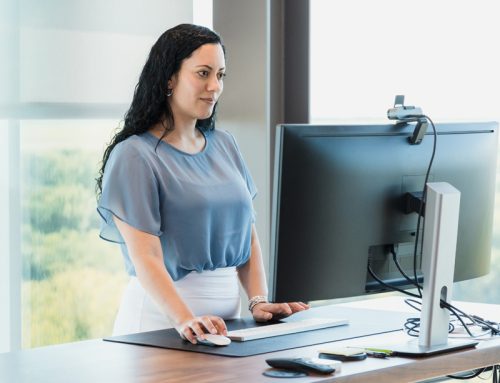
Start by positioning your monitor near eye level. Next, choose a chair that supports your lower back and allows your feet to rest comfortably. Keep your shoulders relaxed instead of pulling them forward or upward.
Most importantly, don’t stay in one position all day. Take regular breaks to stand, stretch, walk, and change positions. Even good posture can become stressful when you hold it for hours.
Foam Rolling and Stretching
Gentle stretching can help reduce tightness in the neck, shoulders, and upper back. In addition, appropriate foam-rolling techniques can help loosen surrounding muscles and improve mobility.
However, stretching alone may not solve a recurring problem. If the trapezius continually tightens because of a restricted joint, poor posture, or another mechanical issue, it’s important to address that underlying cause as well.
Sports Chiropractic for Athletes
Athletes place additional demands on the neck, shoulders, and upper back. Throwing, lifting, swimming, golfing, running, and other repetitive movements can create muscular imbalances and joint restrictions.
Sports chiropractic care can help improve joint mobility, alignment, and overall movement. In addition, physical therapy and massage can support recovery and help correct imbalances.
The goal isn’t simply to get an athlete out of pain. Instead, we want to help the body move efficiently, recover properly, and perform at its best.
Frequently Asked Questions
What does the trapezius muscle do?
The trapezius helps move and stabilize your shoulder blades. It also assists with lifting, rotating, and retracting the shoulders. Because it extends from the base of the skull into the mid-back, it plays an important role in neck and upper-body movement.
Why does poor posture affect the trapezius?
Poor posture forces the muscles of the neck and upper back to work harder. For example, forward head posture increases the demand placed on the trapezius. Over time, this can contribute to muscle fatigue, stiffness, pain, and tension headaches.
How can chiropractic care help trapezius pain?
Chiropractic adjustments can restore movement to restricted or misaligned joints in the neck and upper back. As a result, surrounding muscles may not need to work as hard. At Chandler Chiropractic, we may also combine adjustments with physical therapy and medical massage to address the different factors contributing to the problem.
What are trigger points in the trapezius muscle?
Trigger points are tight, sensitive areas within a muscle. They can cause discomfort in the immediate area or refer pain somewhere else. Myofascial release and massage therapy can help reduce these tight areas and improve muscle function.
How does foam rolling help with trapezius pain?
Foam rolling can help loosen tight muscles and improve mobility in the upper back. Additionally, gentle stretching can improve flexibility in the neck and shoulders. However, recurring trapezius pain may require an examination to determine why the muscle continues to tighten.
Upper trapezius pain doesn’t always start with the trapezius itself. Poor posture, spinal restrictions, muscle imbalances, and repetitive stress may all play a role. Finding the cause gives you a better opportunity to create lasting improvement instead of repeatedly chasing the same tight muscle.
For more information on managing back pain and staying active, visit our Lower Back Pain After a Workout article.