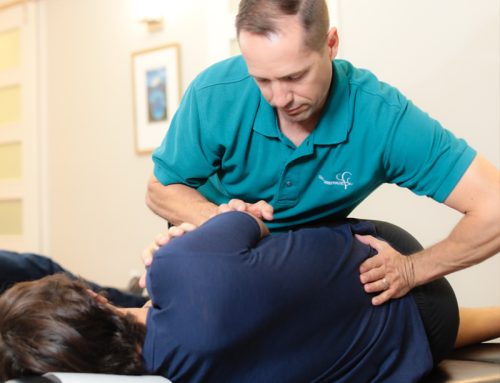
Quick Answer
Recurring neck pain, back pain, and headaches can gradually become part of everyday life. You may feel better for a while, only to have the same discomfort return days or weeks later.
When symptoms keep coming back, it’s worth asking why. Posture, repetitive activities, prolonged sitting, muscle tension, previous injuries, stress, sleep, and problems with joint movement may all contribute.
Changing daily habits can help. However, when pain continues to return, a thorough evaluation can help identify factors that may be keeping the cycle going.
 The Complete Answer
Pain has a way of becoming familiar.
Your neck feels tight after work. Your lower back aches after sitting. A headache develops after a long day at the computer.
You stretch, rest, change positions, or take something for the discomfort. You feel better.
Then it happens again.
Eventually, recurring pain can start to feel normal.
But recurring symptoms are also information. Instead of only asking how to feel better today, it may be helpful to ask:
Why does this keep coming back?
Why Neck and Back Pain May Keep Returning
Neck and back pain can have many contributing factors.
Poor posture and prolonged sitting may place repeated stress on muscles and joints. Repetitive movements can do the same. Previous injuries may also affect how your body moves long after the initial discomfort improves.
Other factors may include:
- Limited joint movement
- Muscle tightness or weakness
- Poor movement patterns
- Prolonged computer or phone use
- Repetitive work
- Sports and exercise
- Previous car accidents or injuries
- Poor sleep
- Stress
- Lack of regular movement
Sometimes several factors occur at the same time.
That’s why simply focusing on the area that hurts may not tell the whole story.
Why Headaches May Keep Coming Back
Headaches can also have many triggers and contributing factors.
Stress, dehydration, changes in sleep, skipped meals, muscle tension, medications, and other health factors may play a role.
For some people, the neck may also contribute.
The joints, muscles, and nerves in your neck work together to support movement and function. When neck movement becomes limited or muscles remain tight, those problems may contribute to certain types of headaches.
Cervicogenic headaches, for example, originate from structures in the neck.
That doesn’t mean every headache comes from your neck. Migraines and other headache disorders can be complex and may involve factors unrelated to the spine.
The important part is determining what may be contributing to your headaches rather than assuming every headache has the same cause.
The Role of Posture, Technology, and Ergonomics
Modern life places a lot of physical demands on the body.
Many of us spend hours sitting at computers, looking down at phones, driving, studying, or working in the same position.
Over time, these habits may contribute to stiffness, muscle fatigue, and changes in how your neck and back move.
You don’t need perfect posture every minute of the day.
Movement matters too.
Change positions regularly. Get up from your desk. Adjust your workstation. Take breaks from your phone. Stretch. Walk. Give your body opportunities to move in different ways throughout the day.
Small changes, repeated consistently, can make a difference.
Breaking the Cycle: Start With Your Daily Habits
You don’t need to change everything at once.
Start by paying attention to patterns.
When does your pain appear? What were you doing beforehand? Does your neck hurt after computer work? Does your back become uncomfortable after sitting? Do headaches occur after poor sleep or stressful days?
Then look at the basics.
Helpful daily habits may include:
- Moving regularly throughout the day
- Taking breaks from computers and phones
- Stretching tight areas
- Exercising regularly when appropriate
- Staying hydrated
- Eating consistently
- Prioritizing quality sleep
- Improving workstation ergonomics
- Finding healthy ways to manage stress
- Paying attention to recurring patterns
These habits support overall health and movement.
But sometimes habits alone aren’t enough.
When Recurring Pain Deserves a Closer Look
Occasional soreness after an unusual activity is different from symptoms that repeatedly return.
Consider having recurring neck pain, back pain, or headaches evaluated when they:
- Continue to return
- Become more frequent
- Limit your movement
- Interfere with sleep
- Affect work or exercise
- Keep you from activities you enjoy
- Began after an injury or car accident
- Change noticeably from their usual pattern
A thorough evaluation can help identify factors that may be contributing.
It can also help determine what type of care makes sense.
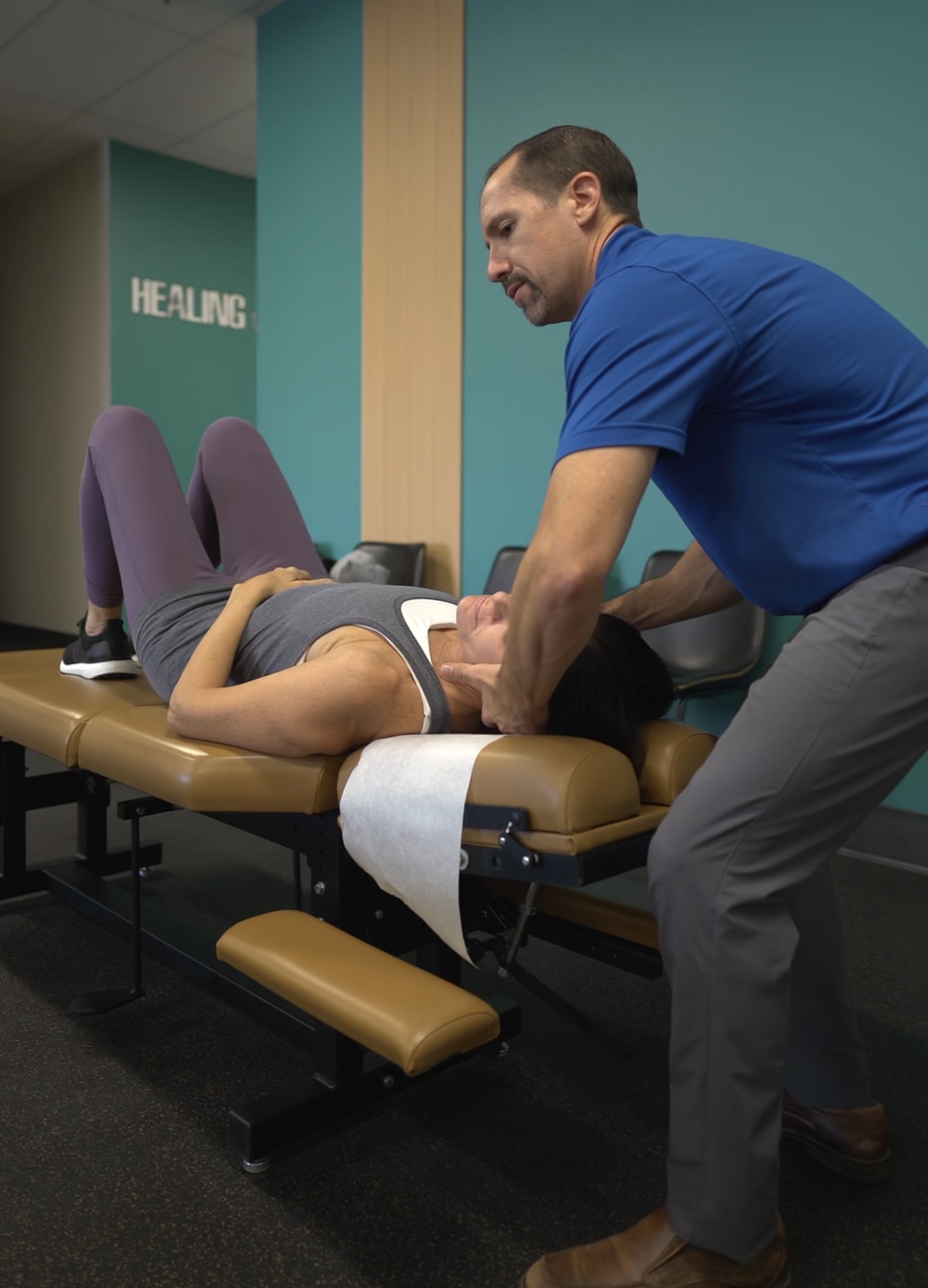
What does a chiropractor do? They adjust the spine to take pressure off the nerve.
Where Chiropractic Care May Fit
At Chandler Chiropractic, we don’t begin by assuming every recurring problem needs an adjustment.
We begin with a conversation and an examination.
We want to understand your symptoms, health history, previous injuries, activities, work environment, exercise, sleep, stress, and what you’ve already tried.
Your examination may include range-of-motion testing, posture assessment, muscle testing, orthopedic and neurological testing, and evaluation of spinal and joint movement.
When clinically appropriate, we may also take digital X-rays to better understand spinal structure and previous changes or injuries.
Then we put the pieces together.
If we identify joint restrictions, movement problems, muscle tension, posture concerns, or other musculoskeletal factors, chiropractic care may become part of your plan.
Why We May Combine Chiropractic, Massage, and Physical Therapy
Recurring problems sometimes involve more than one part of the musculoskeletal system.
That’s where an integrated approach can be helpful.
Chiropractic adjustments may help improve joint and spinal movement when restrictions are present.
Massage therapy may help address tight muscles and soft-tissue tension.
Physical therapy and corrective exercise may help improve strength, mobility, flexibility, and movement patterns.
Not everyone needs all three.
Your examination helps us determine which approach—or combination of approaches—is appropriate for you.
The goal is to build a plan around your findings rather than place everyone into the same program.
What This Means for You
Recurring pain doesn’t automatically tell you what is wrong.
It tells you that something deserves attention.
Start by looking at your daily habits. Pay attention to posture, movement, sleep, stress, hydration, exercise, and the activities that seem to make symptoms better or worse.
If neck pain, back pain, or headaches continue to return, a comprehensive evaluation may help you better understand why.
The goal isn’t simply to get through another uncomfortable day.
It’s to understand the factors that may be keeping the cycle going.
Our Perspective at Chandler Chiropractic
After more than 22 years of caring for patients, we’ve learned not to assume that two people with similar symptoms have the same problem.
Someone with recurring headaches may have very different findings from another person with headaches. The same is true for neck pain and back pain.
That’s why safety begins long before an adjustment.
We listen first. We examine thoroughly. When clinically appropriate, we use digital X-rays to gather additional information.
Then we explain what we find.
If chiropractic care is appropriate, we’ll discuss our recommendations with you. If massage therapy, physical therapy, additional imaging, or another healthcare provider should become part of the process, we’ll explain that too.
Our responsibility is to help you understand your options and make informed decisions about your health.
Still Have Questions?
Recurring neck pain, back pain, and headaches can affect work, sleep, exercise, family time, and the activities you enjoy.
If you’re ready to better understand what may be contributing, schedule a comprehensive evaluation at Chandler Chiropractic.
You can also contact our team with questions about chiropractic care or what to expect at your first visit.
Lasting Results for All Stages of Life.
Reviewed by Dr. Mike Schloemp, DC
September 2026
Dr. Mike Schloemp is the founder of Chandler Chiropractic and has served individuals and families throughout Chandler and the East Valley for more than 22 years. His clinical focus includes family chiropractic, sports injuries, headaches and migraines, pediatric care, pregnancy care, and personal injury.
Dr. Schloemp believes patients deserve honest answers, thorough examinations, and individualized recommendations that help them make informed decisions about their health.
Related Topics — Continue Learning
- Can Chiropractic Help Headaches and Migraines?
- Can Neck Problems Cause Headaches?
- What Causes Headaches and Migraines?
- How Do Posture and Screen Time Affect Neck Pain and Headaches?
- Is Chiropractic Care Safe?
- What Happens During Your First Chiropractic Visit?