Spring often brings a burst of energy, but your spine might be sending quiet signals of stiffness and strain. Ignoring early warning signs of mobility loss can turn simple discomfort into lasting pain. This spring spinal health checklist helps you recognize those subtle changes before they worsen, so you can take charge of your back and neck health. Ready to move better this season? Keep reading to learn practical tips from Chandler Chiropractic.
Spotting Early Signs of Spinal Issues

Spring is the perfect time to check in on your spinal health. Understanding what to look for can prevent minor issues from becoming major problems.
Understanding Stiffness and Strain
Stiffness in your back or neck can be an early sign of spinal trouble. You might notice this discomfort in the morning or after sitting for long periods. It’s more than just feeling tight; your muscles could be trying to tell you something. Imagine waking up without that achy feeling. By addressing stiffness early, you can avoid more serious issues down the road. If you’ve ever thought, “I can just push through it,” know that most people do, but it isn’t always wise. Instead, listen to your body. Stretching or gentle movements can help, but persistent stiffness might mean it’s time to get a professional opinion.
Recognizing Mobility Loss Indicators
Mobility loss can sneak up gradually. You might find it harder to turn your head or twist your torso. This can limit your daily activities, from playing sports to simple tasks like reaching for something on a high shelf. Imagine the freedom of moving without limitations. Checking your mobility regularly can help catch potential problems early. Here’s a quick self-test: Stand with feet shoulder-width apart, then rotate your upper body as far as you can to each side. If you notice a significant difference or struggle with this, it might be time to explore why.
Identifying Back and Neck Pain
Back and neck pain are common, but that doesn’t mean they should be ignored. Pain can range from a dull ache to sharp, stabbing sensations. This discomfort can stem from various causes, including poor posture or injury. Picture living without constant pain. Understanding the source of your discomfort is the first step toward relief. Track your pain patterns: when it occurs, how long it lasts, and what activities worsen it. This information is valuable whether you’re considering a self-care strategy or consulting a professional.
Self-Checklist for Spinal Health
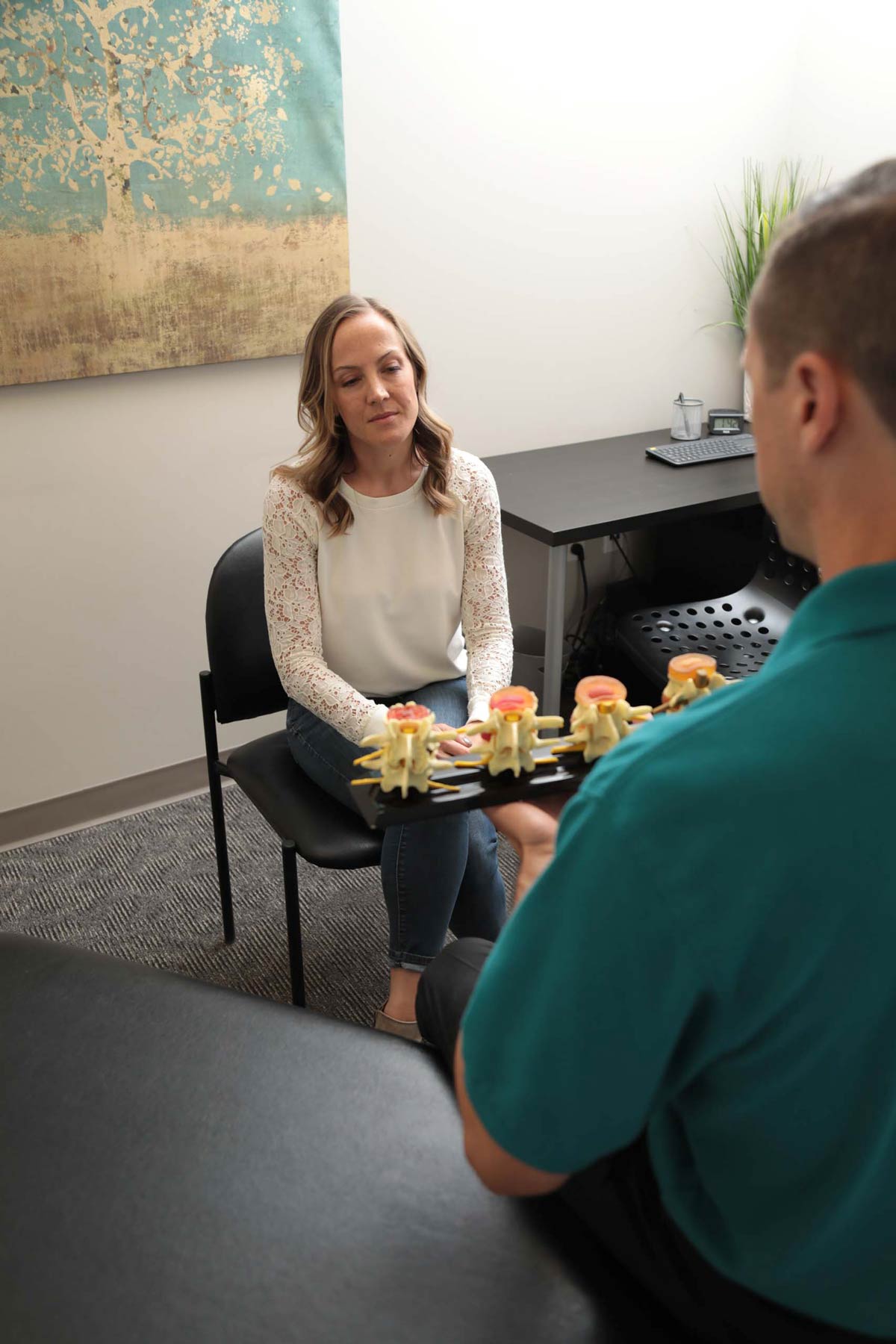
Taking charge of your spinal health is empowering. Use this checklist to assess your posture, mobility, and daily habits for a healthier spine.
Posture Assessment Techniques
Good posture is vital for spinal health. Slouching or leaning can strain your spine, leading to pain over time. Most people think posture isn’t a big deal, but it’s crucial. To check your posture, stand against a wall with your head, shoulders, and back touching it. Your spine should feel naturally aligned. If you notice gaps or discomfort, it might mean your posture needs some adjustment. Regularly checking your posture can prevent long-term problems. Aim for a straight line from your ears to your shoulders to your hips.
Range of Motion Self-Test
Your range of motion is key to maintaining flexibility and avoiding injury. You might not realize you’re losing it until you can’t move as freely. Here’s a simple test: Sit on the edge of a chair, then try to touch your toes. Notice how far you can reach without pain. If you struggle, it could be a sign of tight muscles or joint issues. Regular stretching can help maintain your range of motion. Incorporate stretches into your routine, focusing on areas like the hamstrings, shoulders, and back.
Ergonomics Tips for Daily Life
Ergonomics can make a big difference in how you feel throughout the day. Whether you’re working at a desk or driving, proper ergonomics can prevent strain. Consider adjusting your chair height so your feet rest flat on the floor, and your screen is at eye level. Small changes can lead to significant improvements in comfort and spinal health. If you’re unsure where to start, consulting resources like this spinal health checklist can provide guidance.
When to Seek Professional Care
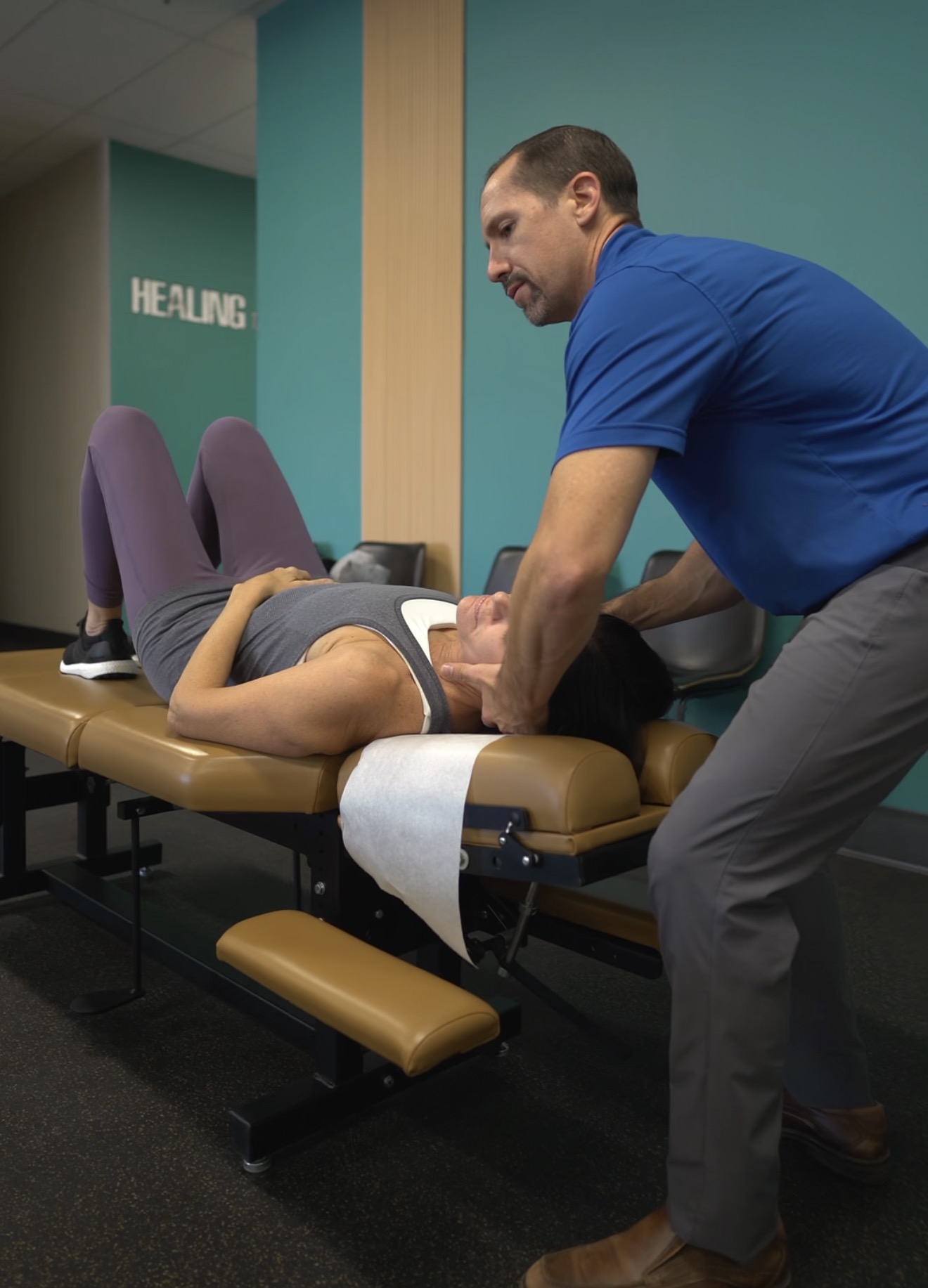
Sometimes, self-care isn’t enough. Knowing when to seek professional help can make all the difference in your health journey.
Benefits of Chiropractic Evaluations
Chiropractic evaluations can uncover underlying issues that might not be obvious. These evaluations focus on your spine’s alignment and overall health. Most people assume pain will just go away, but addressing it early can prevent future problems. Chiropractors can offer personalized care plans to target your specific needs. They can also provide insights into your lifestyle and how it affects your spine, offering solutions to enhance your health.
Exploring Chandler Chiropractic Services
At Chandler Chiropractic, we offer a range of services tailored to your needs. From chiropractic adjustments to massage therapy in Chandler, our team is dedicated to improving your spinal health. We believe in a holistic approach, combining multiple therapies for comprehensive care. Our state-of-the-art facilities and experienced team ensure you receive the best possible treatment. Imagine the relief of knowing you’re in expert hands, working together to enhance your well-being.
Scheduling Your Spring Spinal Health Check
Spring is the ideal time to schedule a spinal health check. A professional evaluation can provide peace of mind and a clear path to better health. Don’t wait until discomfort becomes a bigger issue. The longer you wait, the more challenging it can be to address. By scheduling an evaluation, you take an important step in maintaining your health and preventing future problems. Embrace the season with a renewed focus on your well-being.